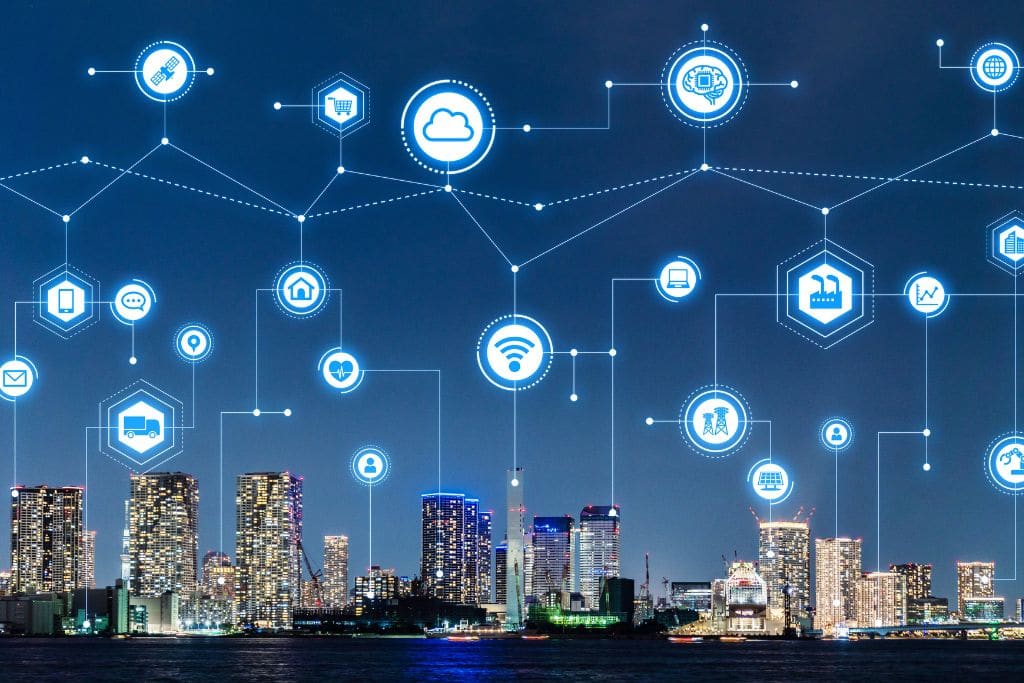
The Rise of Smart Technology Connections
In a world that thrives on instant communication, seamless access, and real-time collaboration, the evolution of technology has taken a promising turn. The age of clunky interfaces and disconnected devices is fading, making way for an era focused on technology connections easier than ever before. This shift is not just about innovation for its own sake. It’s about enhancing life, simplifying complex tasks, and making digital interaction more human-centered.

The Simplicity Revolution
Gone are the days when setting up a home network or syncing devices felt like decoding an ancient script. Today, tech ecosystems are designed with clarity in mind. From intuitive smart hubs to AI-powered assistants, simplifying digital life is the new frontier of progress.
A single tap now unlocks entire workflows. Devices discover each other automatically. Cloud platforms integrate across applications without manual intervention. This frictionless experience is no accident. It’s a deliberate design choice born from the understanding that usability drives adoption.
Whether it’s grandparents video chatting with family across the globe or entrepreneurs launching businesses from their phones, the goal remains universal: make technology less of a hurdle and more of a help.
Building Smarter Networks
At the core of this transformation lies the infrastructure that holds it all together. Smart network solutions are the invisible enablers of our digital lives. These systems don’t just connect devices. They optimize traffic, anticipate failures, and self-correct to maintain stability.
Mesh Wi-Fi systems, for instance, are replacing traditional routers with intelligent coverage that adapts to your home layout. In enterprise settings, software-defined networking dynamically manages data flow based on real-time needs. It’s network management reimagined with precision and adaptability.
But smart networks are not limited to the internet. In cities, connected traffic systems communicate with emergency vehicles to clear paths. In healthcare, medical devices feed live data to cloud dashboards, helping clinicians monitor patients remotely. The intelligence of the system makes the experience smoother for everyone involved.
Everyday Tech, Exceptionally Easy
The brilliance of modern innovation is not only in its complexity but in its elegant simplicity. User-friendly tech is quickly becoming the gold standard across all categories. Devices are smarter, yes, but also more empathetic to the user’s intent.
Voice control has matured from a novelty to a necessity. Whether dimming lights, playing music, or setting reminders, the experience feels more natural, less robotic. Mobile apps are no longer cluttered with endless options. Instead, they are minimal, contextual, and designed to guide users effortlessly.
Wearable tech has taken on new meaning as well. Fitness trackers do more than count steps. They provide sleep analysis, stress management suggestions, and even early warnings of health concerns, all presented through easy-to-understand visuals and alerts. This is user-friendly tech at its finest: deeply functional, yet completely accessible.
Interoperability Is the New Imperative
Perhaps one of the most pivotal changes in recent years is the movement toward open ecosystems. Where once brands locked users into siloed environments, now there’s a growing demand for integration. And rightly so.
Home automation platforms now allow devices from different manufacturers to talk to each other. Cars sync effortlessly with smartphones, not just for music, but for diagnostics, navigation, and even remote control. These advances are not just about novelty. They are rooted in making technology connections easier and more fluid across every aspect of life.
This drive toward interoperability reflects a deeper understanding of user needs. People don’t want more tech. They want better tech that works together, reduces duplication, and fits seamlessly into their lifestyles.
Practical Impact Across Industries
The rise of smart connectivity is not limited to personal use. It’s revolutionizing industries.
In agriculture, sensors monitor soil conditions, water levels, and crop health, delivering updates in real time. In education, connected classrooms use cloud-based platforms to share materials and engage students interactively. In logistics, fleets are managed through GPS and IoT systems that provide live updates and route optimization.
All of this is made possible because of smart network solutions that enable real-time data transfer, automated decision-making, and predictive analytics. These systems don’t just keep operations running. They empower them to thrive.
Looking Ahead: A Seamless Future
As the boundaries between devices, people, and platforms continue to blur, the demand for simplification will only grow. Technology must become more human in how it interacts, more invisible in how it works, and more intuitive in how it’s used.
The future will be defined not just by how fast our devices operate, but by how well they cooperate. And in this cooperative spirit, simplifying digital life becomes the key to unlocking even greater innovations.
With user-friendly tech at the forefront and smart network solutions working quietly in the background, we are witnessing the dawn of a truly connected lifestyle. It’s efficient, elegant, and, most importantly, empowering.
In a world where complexity once reigned, simplicity has taken the crown. And thanks to smarter technology connections, that crown fits better than ever.